Roof inspection
Roof inspection: what it covers, what it costs, and what the report should say
An inspection is only as useful as the record it leaves behind. This covers what actually gets checked, what a report needs to contain to hold up in a claim, and how to tell a real inspection from a sales call.
Written and reviewed by Finley L., Texas Roofing Now
·
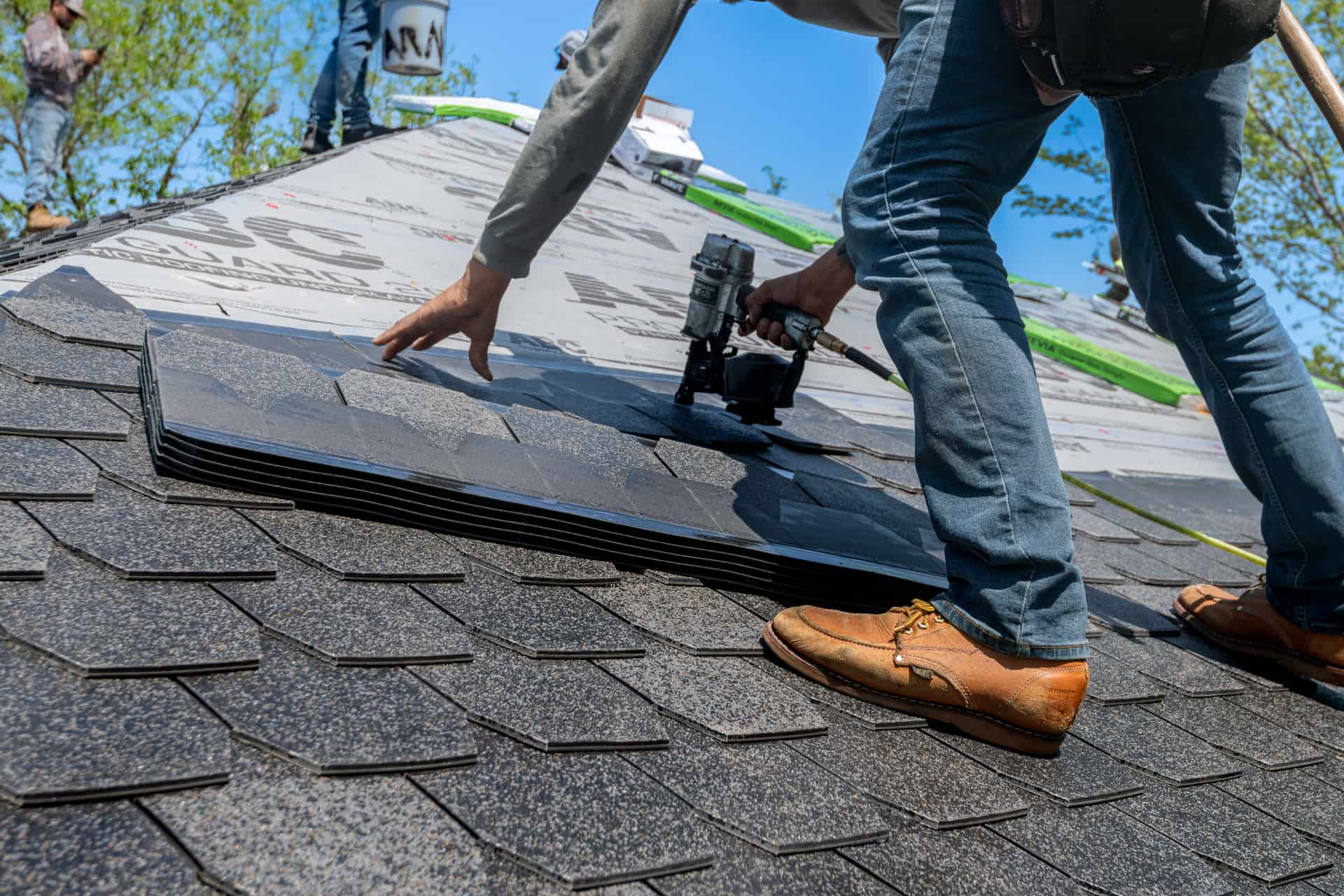
“Roof inspection” covers several different things. A storm-damage inspection looking for hail and wind impact is not the same job as a pre-purchase condition assessment, and neither is the same as a leak investigation. What they share is that the value lies in the documentation, not in the visit.
This page is mostly about the storm-damage and claim-support kind, because that is what North Texas homeowners are usually looking for, and because it is the one where a weak inspection costs real money later.
What does a roof inspection consist of?
A thorough residential roof inspection covers, at minimum:
- The field of every slope — impact marks, bruising, granule loss, fractured mats, and the distribution pattern the damage makes across the slope.
- Which direction each elevation faces — damage concentrated on the elevations facing the direction a storm came from is corroborating evidence; damage spread evenly in all directions usually is not hail.
- Flashing and penetrations — chimney and wall flashing, valleys, pipe boots, vents, turbines and skylights. This is where leaks start.
- Edges and drainage — drip edge, rake and eave condition, gutters and downspouts, including whether the gutters are carrying an unusual quantity of granule.
- Ventilation — intake and exhaust, because inadequate ventilation ages a roof from underneath and is a common contributor to a “wear and tear” conclusion.
- The attic, where accessible — daylight through the decking, staining, damp, and the condition of the underside of the sheathing.
- Corroborating surfaces — air-conditioning fins, window screens, fence caps, mailboxes and downspouts. Soft metals record hail impact clearly, and they often settle the question of whether an event happened at all.
If a roof cannot be safely walked — very steep pitch, fragile covering, wet or icy conditions — that is a legitimate reason to inspect differently. It is not a legitimate reason to report as though the roof was walked.
What a roof inspection costs
We are not going to publish a price range here, and it is worth explaining why. Roofing sites routinely quote “typical” inspection costs with no source behind the number, and those figures then get repeated until they look like fact. We have no sourced figure for what roof inspections cost across the Texas market, so we are not going to invent one.
What we can say without inventing anything:
- Storm-damage inspections from roofing contractors are commonly free, including the one we connect you with. The reason is not charity — it is how roofing companies find work.
- Independent, fee-paid inspections exist and are a different product. You are paying for someone with no financial interest in the outcome, which is worth something specific when you need an unbiased condition assessment.
- Cost is not the variable that matters most. A free inspection with dated photographs of every slope is worth more than a paid one that produces two paragraphs.
When to get a roof inspection
The honest list is shorter than most roofing sites make it:
- After hail or a significant windstorm. TDI advises filing as soon as possible after hail or windstorm damage, and you cannot sensibly decide whether to file without knowing what is up there.
- When you see the secondary signs. Granules collecting in the gutters or at the bottom of downspouts, a ceiling stain that appears after rain, shingle pieces in the yard, or daylight visible in the attic.
- Before your policy renews, if the roof is getting older. TDI notes that insurers may switch a policy to actual cash value as a roof ages, and that a roof in poor condition might not be covered at all. Knowing which category yours is in is better than finding out during a claim.
- Before buying or selling. Roof condition is a standard inspection item and a common late renegotiation point.
- Annually, as a habit. Mostly for the dated record it builds.
What is not a good reason: a stranger telling you your neighbors are all getting new roofs. Hail falls in narrow, uneven swaths. Your roof is the only relevant evidence about your roof.
What the inspection report should contain
This is the part that matters, and it is where most free inspections quietly fall down. A report that a claim can actually be built on contains:
- Dated photographs, organized by slope. Not a handful of representative shots — coverage of each elevation, so nothing is unaccounted for.
- Close-ups of specific defects, tight enough that the defect is legible, with something for scale where the size of an impact matters.
- The date of inspection and, if known, the date of the storm. Dates are what separate a documented claim from an assertion.
- Condition of flashing, penetrations, ventilation and decking where visible, because these are the items that turn into supplements later if they were never recorded.
- Corroborating damage elsewhere on the property.
- A plain-English written summary. What was found, what it means, and what the realistic options are — readable by someone who does not work in roofing.
You should keep it whether or not you hire the company that produced it. A report you are not allowed to keep is a sales tool, not a report.
Drone inspections, and what they miss
Drone photography is genuinely useful. It documents steep or fragile roofs safely, it produces good overall slope coverage quickly, and the imagery is easy to share with an adjuster.
What it does not do is replace hands on the roof for hail assessment. Hail bruising is often a soft spot in the mat that is easier to feel than to see, and it does not always show in an overhead photograph even at high resolution. Sealant strips, the flexibility of a shingle, and whether a lifted tab has actually broken its seal are tactile checks.
Used together — drone imagery for coverage and access, hands-on assessment for the diagnosis — the combination is better than either alone. Used as a substitute, drone-only inspection reliably understates hail damage.
Who should inspect your roof in Texas
This is more complicated in Texas than most homeowners realize, because Texas does not license roofing contractors at the state level. There is no state roofing license to ask for, and any company implying it holds one is misleading you. Anyone in Texas can legally call themselves a roofer.
What you can actually verify: proof of general liability insurance and workers' compensation, a real and durable Texas business presence, voluntary certification such as RCAT or a manufacturer certification, and — per TDI's own guidance — references and the Better Business Bureau. TDI also recommends getting at least two bids, never prepaying in full, and never signing a contract with blank spaces in it.
We wrote a full guide to this, because it is the question homeowners most need answered and least often get straight: how to vet a roofer in Texas.
Frequently asked questions
What does a roof inspection consist of?
A proper inspection covers the field of every slope, flashing and penetrations, edges and gutters, ventilation, the attic where accessible, and corroborating surfaces such as air-conditioning fins and window screens. It ends in a written report with dated photographs organized by slope. Anything that stops at the driveway is not an inspection.
How much does a roof inspection cost?
It varies by provider and by the kind of inspection. Storm-damage inspections from roofing contractors are commonly offered free, because they are how contractors find work — the inspection we connect you with is one of those, and it is free to you. A structural or pre-purchase inspection from an independent inspector is a paid service. We do not publish a price range for other people's services because we have no sourced figure for the Texas market.
How often should a roof be inspected?
A reasonable habit is once a year and again after any significant hail or windstorm. The value is cumulative: a dated series of reports shows the roof's condition over time, which is exactly the evidence that becomes hard to produce when an insurer says damage was gradual rather than sudden.
Can you tell if a roof has hail damage from the ground?
Usually not. Hail bruising often does not break the shingle surface, and it can be easier to feel than to see. Granule loss can be visible in the gutters while the slope itself looks normal from the driveway. Anyone diagnosing hail damage from the street is guessing.
Should I get an inspection before filing a claim?
It generally helps. TDI advises documenting damage thoroughly, and going into the claim with dated photographs and a written report means the conversation with the adjuster starts from a list rather than from memory. It also tells you whether the damage is likely to exceed your deductible at all.
Do I need a roof inspection before selling my house?
It is not required, but it removes a common late surprise. Roof condition is one of the items a buyer's inspector reports on, and finding out about it during an option period is a worse time than finding out beforehand.
Sources
- Texas Department of Insurance — After hail or windstorms — Documentation guidance, adjuster visits, contractor vetting and the two-bid recommendation
- Texas Department of Insurance — Replacing your roof — Roof age and condition, and coverage consequences of a roof in poor condition
Related reading
- Request a free roof inspection
Dated photographs of every slope and a written report you keep.
- The inspection methodology
The sequence the inspection follows and how findings get documented.
- How to identify hail damage
What the inspection is actually looking for.
- The Texas roof insurance claim process
Where the inspection report fits in the claim.